
Animals
Viltnemnda – Understanding the Role, Function, and Importance of Wildlife Committees in Norway
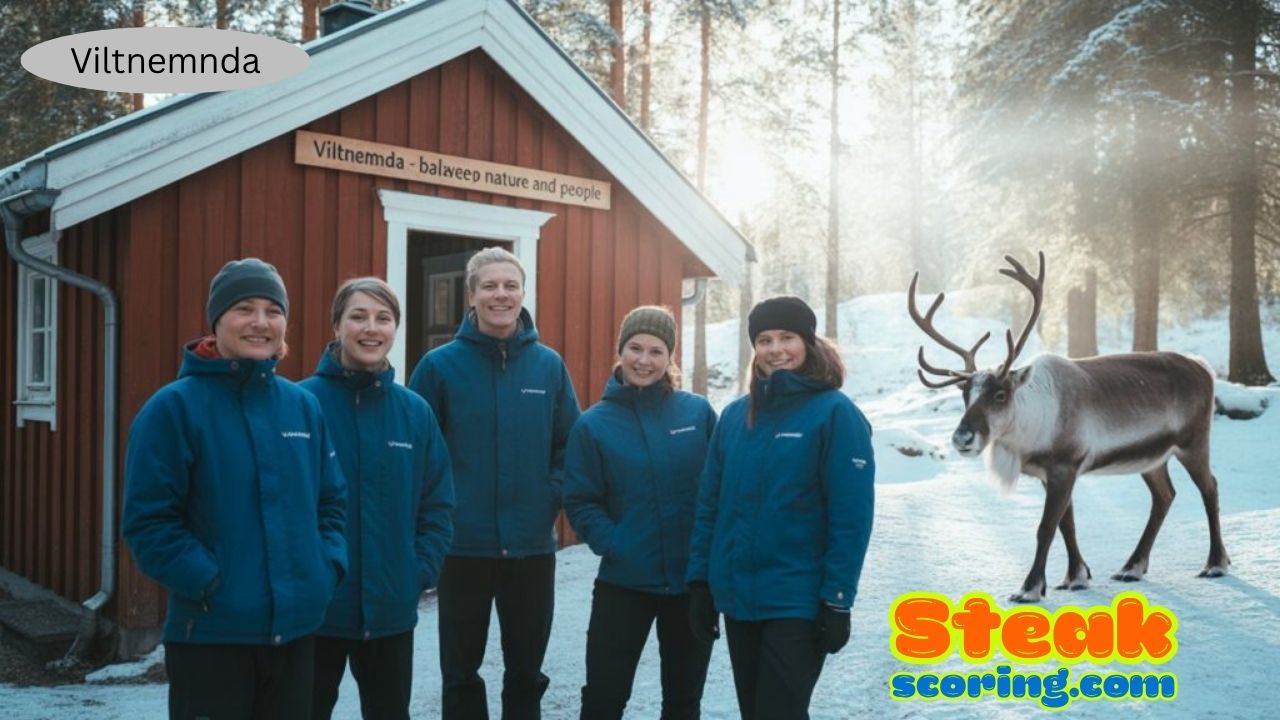
Introduction to Viltnemnda
The word Viltnemnda may sound unfamiliar to many outside Norway, but within the country, it carries great significance in environmental management and wildlife protection. Derived from Norwegian, “Viltnemnda” translates to the Wildlife Committee — a local authority group responsible for overseeing the management, regulation, and conservation of wild animals within a municipality or region.
In this article, we will explore the meaning, responsibilities, and importance of Viltnemnda, as well as how it contributes to balancing ecological sustainability and human interests. Whether you are a student, a wildlife enthusiast, or someone interested in understanding Norwegian governance structures, this in-depth guide will help you appreciate the critical role Viltnemnda plays in protecting Norway’s natural heritage.
What Is Viltnemnda?
At its core, Viltnemnda is a local wildlife committee established under Norwegian law to manage hunting, game regulation, and wildlife conservation. It serves as a decision-making body within municipalities, ensuring that all wildlife-related activities are conducted responsibly and sustainably.
Members of the Viltnemnda are typically appointed by local authorities. These individuals often include environmental experts, hunters, farmers, and citizens who have experience with local wildlife. The goal of this composition is to create a well-rounded team that represents multiple perspectives — conservation, safety, agriculture, and local culture.
The Viltnemnda plays an essential role in implementing national wildlife policies on a local level, ensuring that hunting quotas, population control measures, and environmental protection strategies are tailored to regional needs.
The Purpose and Objectives of Viltnemnda

The main purpose of Viltnemnda is to maintain a balance between human activity and wildlife conservation. Norway’s ecosystem is vast and rich, with species such as moose, deer, reindeer, and various bird species playing vital ecological roles. However, population management is necessary to prevent overpopulation, which can lead to environmental degradation or conflicts with human settlements.
Key Objectives Include:
- Wildlife Population Management
The Viltnemnda monitors animal populations through data collection, field surveys, and reports from hunters or citizens. When certain species exceed sustainable numbers, the committee may recommend controlled hunting to restore ecological balance. - Hunting Regulation and Licensing
Hunting is a traditional and regulated activity in Norway. The Viltnemnda helps organize hunting seasons, sets local quotas, and ensures that all hunters follow national laws and ethical standards. - Public Safety and Wildlife Conflicts
The committee addresses conflicts between wildlife and humans — for instance, when moose or deer cause traffic accidents or damage agricultural crops. Viltnemnda may take steps such as relocation or controlled culling to reduce risks. - Environmental and Habitat Conservation
Beyond animal management, Viltnemnda also focuses on preserving natural habitats. It works closely with environmental agencies to protect forests, rivers, and wetlands essential for biodiversity.
Legal Framework of Viltnemnda
The functioning of Viltnemnda is guided by the Norwegian Wildlife Act (Viltloven). This law sets the foundation for how wildlife is to be conserved, utilized, and managed across Norway. The law emphasizes that wildlife is a national resource belonging to the Norwegian people, and its management should be based on scientific knowledge, sustainability, and ethical hunting principles.
Under this framework, Viltnemnda operates as the local executing authority. It has the power to make recommendations, issue licenses, coordinate with police and wildlife officers, and communicate with national agencies like the Norwegian Environment Agency (Miljødirektoratet).
The Structure of Viltnemnda
A typical Viltnemnda consists of several appointed members with different backgrounds. Usually, the municipal council (kommunestyret) appoints these members for a specific term, often four years. The structure includes:
- Chairperson (Leder) – Oversees meetings, represents the committee publicly, and coordinates with municipal authorities.
- Vice-Chairperson (Nestleder) – Supports the chairperson and assumes duties in their absence.
- Committee Members (Medlemmer) – Participate in decision-making, field evaluations, and planning.
- Advisors and Experts – May include biologists, rangers, or local law enforcement officers providing technical or ecological expertise.
The diverse structure ensures that the Viltnemnda combines local knowledge with scientific guidance in all decisions.
Responsibilities of Viltnemnda
The scope of Viltnemnda’s responsibilities extends beyond just regulating hunting. It encompasses all areas of wildlife management within municipal borders.
1. Wildlife Data Collection and Reporting
The committee compiles reports on wildlife populations, migration patterns, and reproduction rates. This data is crucial for both local and national wildlife planning.
2. Issuing Permits and Approvals
Viltnemnda handles applications for hunting permits, nuisance animal control, and wildlife research projects.
3. Responding to Wildlife Accidents
Norway experiences numerous vehicle collisions involving large animals like moose each year. The Viltnemnda is responsible for organizing teams to track, recover, or humanely euthanize injured animals.
4. Public Awareness and Education
Another vital responsibility is public education. The committee raises awareness about wildlife safety, ecological balance, and ethical hunting practices.
5. Collaboration with Other Agencies
Viltnemnda works closely with the police, environmental NGOs, and other government departments to enforce regulations and promote sustainable practices.
Importance of Viltnemnda in Norwegian Society
The Viltnemnda is more than just a committee—it represents Norway’s long-standing respect for nature and commitment to responsible resource management. Its importance can be summarized in three key aspects:
- Ecological Balance – By managing wildlife populations, Viltnemnda ensures ecosystems remain stable and functional.
- Cultural Heritage – Hunting is part of Norwegian tradition, and the committee safeguards that heritage within ethical boundaries.
- Public Safety – By reducing wildlife-related accidents and conflicts, Viltnemnda protects both human lives and animal welfare.
Challenges Faced by Viltnemnda
Despite its effectiveness, Viltnemnda faces several modern challenges:
- Climate Change – Altered weather patterns affect animal migration and breeding, requiring adaptive management strategies.
- Urbanization – Expanding cities reduce habitats, increasing conflicts between humans and wildlife.
- Public Opinion – Balancing ecological science with public emotions about hunting or animal welfare can be challenging.
- Resource Limitations – Smaller municipalities may lack the financial or technical resources to conduct advanced monitoring.
Addressing these challenges requires innovation, collaboration, and continuous research.
How Viltnemnda Promotes Sustainable Hunting
Sustainability is at the heart of Viltnemnda’s mission. The committee promotes sustainable hunting by:
- Setting precise quotas based on population studies.
- Educating hunters about ethical hunting methods.
- Encouraging the full use of hunted animals to reduce waste.
- Conducting post-season evaluations to assess ecological impact.
Through these measures, Viltnemnda ensures that hunting contributes positively to ecosystem management rather than harming it.
The Future of Viltnemnda in Wildlife Management
As technology and research evolve, Viltnemnda is adapting to a more data-driven and transparent approach. Modern wildlife management increasingly relies on GPS tracking, camera monitoring, and AI-driven population analysis.
In the future, Viltnemnda may incorporate digital tools to make real-time decisions, manage hunting quotas more effectively, and improve communication between municipalities.
Public involvement will also grow, with local communities encouraged to participate in citizen science programs — reporting wildlife sightings, accidents, or illegal hunting activities directly to Viltnemnda.
How Citizens Can Engage with Viltnemnda
Ordinary citizens play a significant role in supporting Viltnemnda’s work. Here’s how:
- Reporting Wildlife Issues: If you encounter injured animals or witness illegal hunting, contact your local Viltnemnda immediately.
- Participating in Surveys: Many municipalities invite volunteers for wildlife observation programs.
- Attending Public Meetings: Some Viltnemnda sessions are open to the public, allowing community members to voice concerns or offer suggestions.
- Promoting Awareness: Sharing accurate information about wildlife management helps reduce misunderstandings.
Engagement fosters collaboration and ensures decisions reflect both ecological and social perspectives.

Comparing Viltnemnda to Similar International Bodies
Many countries have wildlife management organizations, but Norway’s Viltnemnda system stands out for its localized structure and strong integration with municipal governance.
- In the United States, similar roles are played by state wildlife commissions.
- In Canada, regional wildlife boards handle comparable duties under provincial law.
- In Sweden, hunting and wildlife management are managed by county-level authorities similar in structure to Viltnemnda.
This localized approach gives Viltnemnda flexibility, ensuring that decisions align with each area’s unique ecological and social conditions.
The Symbolic Meaning of Viltnemnda
Beyond administration, Viltnemnda represents Norway’s philosophy of coexistence with nature. It embodies the principle that humans are stewards — not masters — of wildlife. The committee’s very existence reflects Norway’s dedication to sustainability, transparency, and intergenerational responsibility.
In a world facing increasing environmental crises, Viltnemnda offers a model of governance where communities take direct responsibility for their natural surroundings.
Conclusion – The Enduring Role of Viltnemnda
In conclusion, Viltnemnda stands as a cornerstone of Norway’s environmental management system. Its blend of local decision-making, scientific oversight, and community involvement makes it a global example of sustainable wildlife governance.
By regulating hunting, preventing accidents, protecting ecosystems, and fostering respect for nature, Viltnemnda ensures that Norway’s rich biodiversity will continue to thrive for generations to come.
Whether you are a Norwegian citizen, a visitor, or simply an admirer of effective conservation systems, understanding Viltnemnda provides a deeper appreciation of how modern societies can coexist harmoniously with nature through structured, ethical governance.


Arizona Cardinals vs Dallas Cowboys Match Player Stats: Complete Performance Breakdown and In-Depth Game Analysis

Cleveland Browns vs Las Vegas Raiders Match Player Stats: Complete Performance Breakdown and Game Analysis

Atlanta Falcons vs 49ers Match Player Stats: Full Game Performance Analysis, Key Players, and Tactical Breakdown

Understanding lwedninja, lwedninja?? and Their Place in Digital Conversations

Best Steakhouse Sacramento?? Exploring the Top Sacramento Steak Restaurants

Best Steakhouse in Kansas City: A Complete Guide to Dining, Flavor, and Tradition
-
 Entertainment10 months ago
Understanding lwedninja, lwedninja?? and Their Place in Digital Conversations
-
 Food & Drinks11 months ago
Best Steakhouse Sacramento?? Exploring the Top Sacramento Steak Restaurants
-
 Food & Drinks11 months ago
Best Steakhouse in Kansas City: A Complete Guide to Dining, Flavor, and Tradition
-

 Business11 months ago
Steakhouse Branson MO: Discovering the Best Steaks and Dining in the Ozarks
-

 Celebrity11 months ago
June Baranco, Life, and Legacy??
-

 Food & Drinks11 months ago
Steakhouse Vero Beach: Exploring Flavor, Tradition, and the Best Cuts in Town
-

 Entertainment11 months ago
star wars the clone wars anakin vs obi wan
-

 Game11 months ago
Mustafar Star Wars?? The Fiery World of Conflict and Legacy