
Lifestyle
Gel Ooru: A Complete Guide to Understanding Its Uses, Properties, and Practical Importance
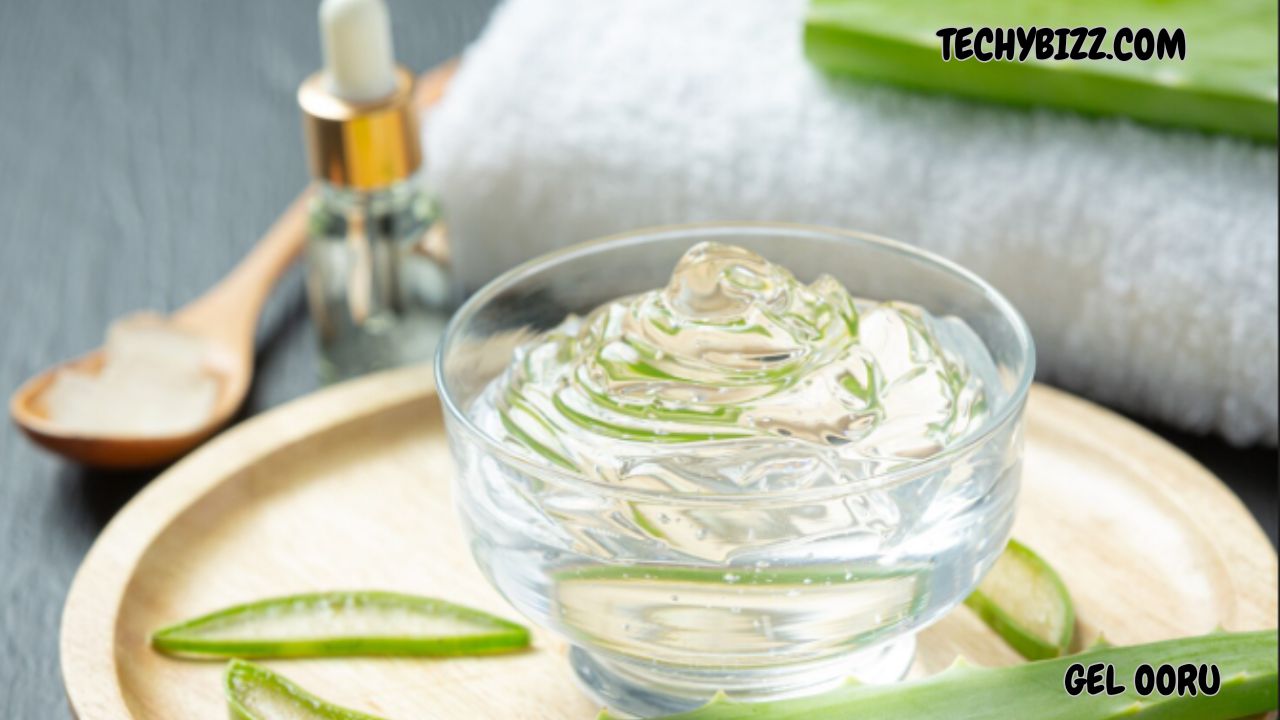
Across various industries and consumer applications, gel-based materials have become essential for performance, stability, and specialized functionality. One such material, known as Gel Ooru, has drawn attention due to its versatile nature and growing demand for use in different processes. Whether applied in technical environments, manufacturing settings, research fields, or consumer-oriented tasks, Gel Ooru stands out for its consistency, adaptability, and structural benefits.
Understanding what Gel Ooru is, how it is used, and what makes it valuable is essential for anyone interested in integrating it into their projects or daily operations. This detailed guide explains everything you need to know—from its properties and applications to quality indicators, storage methods, and safe handling.
By the end of this article, you will have a complete understanding of Gel Ooru, what makes it unique, and how it can be effectively incorporated into the tasks that require stability, texture control, or performance enhancement.
What Is Gel Ooru?

Gel Ooru refers to a specially formulated gel-like substance often utilized in various practical applications due to its semi-solid consistency and adaptable properties. The name typically describes a gel material used for cushioning, coating, stabilizing, filling, separating, or enhancing the texture of different products or processes.
Its primary characteristics include:
- A smooth, uniform texture
- Flexibility and semi-solid stability
- Controlled viscosity
- Resistant structure under temperature variations
- Supportive behavior for shaping, sealing, or layering
Because of these properties, Gel Ooru is often preferred in environments where both structure and movement are required at the same time. Its ability to adapt without losing form makes it useful across several fields.
Why Gel Ooru Has Become Highly Popular
The rise in demand for Gel Ooru can be attributed to its long list of benefits. Industries prefer materials that are easy to handle, reliable under stress, and stable during use. This gel fits those needs effectively.
Reliable Consistency
Gel Ooru has a balanced consistency that makes it dependable in scenarios where control is important. It does not leak easily, does not fully liquefy under normal conditions, and maintains structure without hardening too quickly.
Safe to Handle
The properties of Gel Ooru make it user-friendly. It does not typically require extreme precautions and can be applied, shaped, or positioned with minimal effort.
Versatile Applications
Its adaptability makes it useful for technical work, repairs, support structures, demonstrations, educational use, and experimental setups.
Long Lifespan
When stored correctly, Gel Ooru maintains its effectiveness for extended periods, ensuring that users get full value for their investment.
Cost-Effective
Due to its durable nature, Gel Ooru offers long-term advantages without requiring frequent replacement.
These qualities help explain why many people search for information about Gel Ooru and how it can be used in effective, practical ways.
Common Uses of Gel Ooru
Gel Ooru appears in a wide range of applications, each benefiting from its stability and semi-solid behavior. Here are several environments where it is frequently used:
Cushioning and Shock Absorption
The material’s flexible structure makes it ideal for situations requiring increased comfort or protection. It disperses pressure evenly and reduces force on impact.
Stabilizing Components
Some engineering or manufacturing tasks require gels that maintain position while allowing flexible movement. Gel Ooru excels in these conditions.
Filling and Sealing
Because of its thick consistency, Gel Ooru can fill gaps, seal joints, or minimize vibrations in confined spaces.
Demonstration and Educational Use
Its texture makes it easy for educators, researchers, and experimenters to demonstrate properties of materials or create interactive displays.
Support in Assembly or Maintenance
Gel Ooru may be used to temporarily support items, hold parts in place, or form molds around components during inspection or repair.
Household and DIY Projects

People appreciate Gel Ooru for simple tasks like organizing, stabilizing small items, or improving the function of everyday tools.
Its wide-ranging uses show why so many industries and individuals gravitate toward this reliable and practical gel material.
Physical and Chemical Traits of Gel Ooru
Understanding the traits of Gel Ooru helps refine its use in more complex tasks. The properties listed below reflect common behavior associated with this type of gel.
Semi-Solid Consistency
The gel balances between liquid and solid, offering structural flexibility while retaining shape.
Non-Corrosive
Most variations of Gel Ooru do not corrode surfaces, making them safe for use on metals, plastics, glass, and more.
Temperature Stability
While extreme temperatures can affect performance, normal environmental conditions do not drastically alter its texture.
Moisture Resistance
Many forms of Gel Ooru resist moisture absorption, helping maintain integrity over time.
Slow Degradation
Properly stored Gel Ooru retains quality and does not easily break down or lose texture.
These traits make Gel Ooru desirable for long-term projects, frequent use, or sensitive applications.
Quality Indicators When Buying Gel Ooru
Not all gel products are equal. High-quality Gel Ooru should show consistency, durability, and proper manufacturing standards. Here’s what to look for when evaluating the product:
Uniform Color and Texture
A smooth appearance with even color distribution indicates careful production and proper blending.
Stable Viscosity
The gel should not be too runny or too thick unless intentionally designed for specific applications.
Freshness and Packaging
Properly sealed containers preserve quality. A strong, secure package ensures the product hasn’t dried out or separated.
Reliable Supplier Information
Clear labeling, batch details, and basic instructions show that the seller maintains quality standards.
Positive User Experience
Feedback from other users can provide insight into durability and performance.
These factors help guide your decision when selecting a trustworthy source for Gel Ooru.
Safe Handling of Gel Ooru
While Gel Ooru is generally simple to manage, safe handling ensures that you maintain the product in good condition and use it properly.
Keep Hands Clean
Clean hands help maintain the purity and consistency of the gel.
Use Clean Tools
If applying with tools, ensure they are free from dust, grease, or debris.
Avoid Overstretching
While flexible, overstretching may damage the gel’s structure.
Keep Away From Sharp Objects
Sharp edges can tear or puncture the gel.
Store in a Controlled Environment
The best storage ensures that Gel Ooru does not dry out, melt, or lose its structure.
Good handling practices lengthen the lifespan of the product and improve overall performance.
Proper Storage of Gel Ooru
Correct storage is essential to preserve the quality of Gel Ooru. Follow these storage guidelines to maximize its durability:
Keep It Sealed
Exposure to air can dry the gel or change its texture. Always seal the container after use.
Store in a Cool Space
A moderate temperature prevents melting or thickening.
Avoid Direct Sunlight
UV exposure can weaken the gel and alter its color or structure.
Keep It Clean
Dust or particles can embed in the gel if left uncovered.
Store Upright
This prevents unnecessary compression or misshaping of the gel.
These methods ensure that Gel Ooru stays usable and effective for a long period.
Common Mistakes to Avoid When Using Gel Ooru
People sometimes misuse gel materials due to lack of familiarity. Try to avoid the following mistakes:
Applying Excessive Pressure
Pressing too hard may distort the gel beyond its designed flexibility.
Mixing with Other Substances
Combining Gel Ooru with oils, powders, or liquids may alter its behavior.
Leaving It Uncovered
Exposure to air can reduce hydration and make it less effective.
Storing in Extreme Conditions
High heat or freezing temperatures can damage the gel’s internal structure.
Using Incorrect Tools
Some sharp or abrasive tools may physically damage the product.
Avoiding these errors will save you time, money, and frustration.
Reasons Why People Prefer Gel Ooru
Users who regularly work with gel-based materials often favor Gel Ooru because of its reliability and versatility. The reasons include:
- It adapts to multiple uses easily
- It feels pleasant and easy to handle
- It maintains its form over long periods
- It is safe to use in most environments
- It offers consistent behavior across tasks
These benefits make Gel Ooru a reliable tool for both professional and personal needs.
The Future of Gel Ooru and Its Growing Importance
As technology advances and industries look for safer, more adaptable materials, Gel Ooru will continue gaining value. Its potential applications may expand into new areas, such as:
- Advanced cushioning solutions
- High-performance stabilization materials
- Educational and training models
- Specialized laboratory research
- Artistic or creative design applications
The flexibility of Gel Ooru positions it well for long-term relevance.
Also read: Where to Buy Zupfadtazak: A Complete and Practical Buyer’s Guide

Lifestyle
Picks from Dolagim Jelpak: The Story, Creativity, and Cultural Appeal Behind a Unique Modern Concept

Introduction
In a world overflowing with trends, creative ideas, and cultural expressions, certain names or phrases rise to the surface and begin to attract curiosity. One such phrase is Picks from Dolagim Jelpak—a name that feels mysterious, artistic, and full of story. Whether used in creative circles, lifestyle content, personal branding, or imaginative storytelling, the phrase carries a sense of uniqueness that makes people pause and wonder what it represents.
Why does a name like Picks from Dolagim Jelpak feel so intriguing? Perhaps it is the rhythm, the distinctiveness, or the artistic energy behind it. Perhaps it hints at a curated selection of ideas, experiences, or inspirations. Whatever the interpretation, the phrase has become a symbol of creativity, discovery, and expressive individuality.
This detailed, narrative-style article explores the meaning, emotional resonance, cultural impact, and imaginative potential behind Picks from Dolagim Jelpak, giving readers a complete understanding of why this term has captured attention and continues to grow in appeal.
The Origin of a Name That Sparks Imagination

Every memorable phrase begins with a spark—something that makes it stand out from ordinary expressions. The phrase Picks from Dolagim Jelpak is one of those linguistic treasures that seems to carry story even before the story is told.
The name feels:
- Distinctive
- Memorable
- Expressive
- Culturally neutral yet richly imaginative
- Curated, like a handpicked collection of ideas
Names that carry this type of creative energy often become associated with:
- Artistic brands
- Curated selections or “picks”
- Digital content creators
- Writers or bloggers
- Unique online personas
- Concept-based storytelling
What makes the phrase powerful is its flexibility—Picks from Dolagim Jelpak can be whatever the creator or audience imagines it to be.
The Emotional Appeal Behind the Phrase
Why do people respond so strongly to imaginative names? Because names evoke emotion, and Picks from Dolagim Jelpak evokes a very particular kind.
It suggests a world of:
Curation
Someone selecting meaningful or interesting items, ideas, or experiences.
Discovery
A sense that each “pick” reveals something new and unexpected.
Personality
A creative identity behind the selections.
Depth
A story beneath every choice, even if the story remains partially hidden.
Mystery
A sense of wonder that invites interpretation.
People naturally gravitate toward names that sound like they hold secrets, creativity, or carefully chosen insights. This is exactly why Picks from Dolagim Jelpak feels special.
The Concept of “Picks”: Why Humans Love Curated Selections
Curated content has always appealed to people—whether the selections are books, songs, art pieces, recipes, travel spots, or life lessons. When we encounter the phrase Picks from Dolagim Jelpak, it instantly brings to mind the idea of handpicked treasures.
Curation matters because:
- It saves time
- It filters out noise
- It highlights quality
- It offers personality
- It reflects values and taste
- It creates a connection between creator and audience
When a name contains the word “picks,” it creates anticipation. It tells people, “These choices mean something.”
Pair that with the uniqueness of the name Dolagim Jelpak, and suddenly the phrase becomes a personal brand, a point of identity, or a creative concept with endless storytelling potential.
Who Is Dolagim Jelpak? The Identity Behind the Phrase

The beauty of Picks from Dolagim Jelpak is that Dolagim Jelpak can represent many things:
1. A fictional creative curator
A character who collects ideas, stories, or objects from an imaginary world.
2. An artistic persona
A name representing a real person who chooses to express themselves creatively under a distinctive pseudonym.
3. A conceptual brand
A label for curated content—whether digital art, lifestyle picks, fashion selections, or cultural insights.
4. A storytelling universe
A narrative figure in a fantasy or literary world, with their “picks” offering windows into their adventures.
5. A symbol of creativity
A name that stands for a larger idea rather than a specific individual.
The identity is flexible, which is part of the lasting appeal.
Creative Uses for Picks from Dolagim Jelpak
Many people who encounter the phrase naturally imagine it as a brand or creative project. Here are some potential interpretations:
• A themed blog post series
Where Dolagim Jelpak selects top books, films, recipes, or travel spots.
• A digital art showcase
Featuring visually stunning creations curated by a fictional or real artistic persona.
• A storytelling platform
Where each “pick” reveals part of a character’s journey or worldview.
• A fashion or lifestyle collection
Stylish selections curated with personality and taste.
• A social media identity
Where Dolagim Jelpak posts daily insights, inspirations, and creative highlights.
The possibilities are nearly endless, and this flexibility is why the phrase Picks from Dolagim Jelpak continues to capture imagination.
Cultural Relevance in a Digital Age
In today’s digital world, where identity is shaped by creativity, people are drawn to names that feel personal, expressive, and meaningful. Picks from Dolagim Jelpak fits perfectly into modern creative culture.
It aligns with trends such as:
- Personal branding
- Social media storytelling
- Character-driven narratives
- Curated digital collections
- Lifestyle blogging
- Artistic pseudonyms
The phrase provides the perfect balance of mystery, creativity, and memorability—making it ideal for modern cultural expression.
Why People Remember Picks from Dolagim Jelpak
Several qualities make the name stick in the mind:
1. Rhythm
The words flow smoothly and feel poetic.
2. Originality
It is distinctive—unlike typical names used online.
3. Story potential
It feels like the beginning of a narrative.
4. Emotional resonance
It evokes curiosity, creativity, and personality.
5. Versatility
It can represent anything from artwork to wisdom.
Because of these characteristics, Picks from Dolagim Jelpak often becomes more than a name—it becomes an identity.
How the Phrase Inspires Creativity
Many creative individuals find inspiration simply from hearing or imagining a unique phrase. Picks from Dolagim Jelpak sparks imagination by suggesting a world in which someone carefully selects meaningful things and shares them with others.
Writers imagine characters.
Artists imagine scenes.
Readers imagine a universe.
Creators imagine content themes.
A good name does not just label something—it unlocks creativity.
The Future of Picks from Dolagim Jelpak
As creative culture continues to grow, names like Picks from Dolagim Jelpak thrive because they offer:
- Brand potential
- Narrative flexibility
- Emotional connection
- Artistic identity
- A memorable impression
This phrase has the potential to evolve into:
- A digital brand
- A storytelling project
- A curated newsletter
- A creative persona
- A lifestyle platform
The name’s uniqueness ensures it will stand out no matter how it is used.
Conclusion
The phrase Picks from Dolagim Jelpak represents more than a name—it symbolizes creativity, artistic identity, curation, and emotional resonance. Its charm lies in its mystery, its rhythm, and its ability to inspire. It hints at a world where every choice carries meaning, where creativity is curated with care, and where identity becomes art.
People gravitate toward names that feel imaginative and full of possibility, and this phrase accomplishes exactly that. Whether interpreted as a personal brand, a character, a creative project, or a curated collection, it leaves a lasting impression.
In a world where creativity thrives on uniqueness, Picks from Dolagim Jelpak stands out as a name with story, personality, and endless potential.
Lifestyle
Wedding Cake Flavors — A Complete Exploration of Taste, Tradition, and Modern Celebration
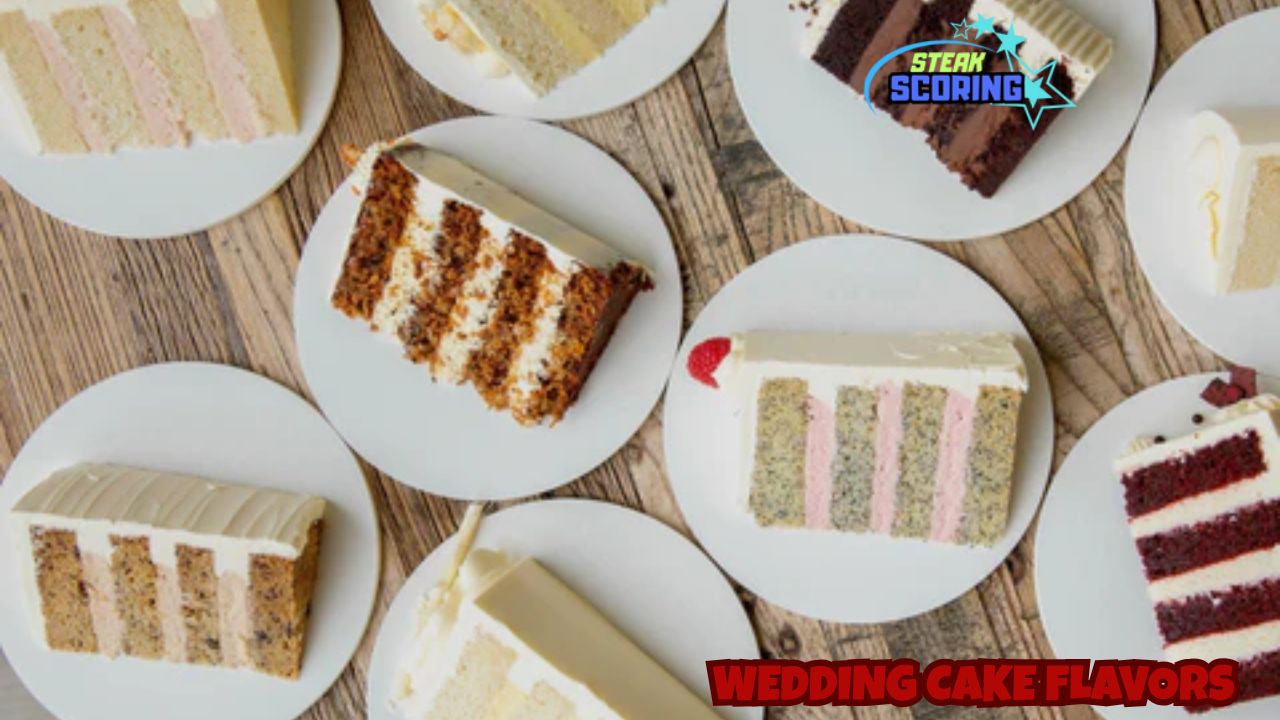
Every wedding has its own heartbeat — a blend of love, emotion, celebration, and unforgettable moments. Among the many details that bring a wedding to life, the wedding cake remains one of the most symbolic and cherished elements. It is a centerpiece of beauty, tradition, and joy. And at the heart of every beautiful wedding cake lies something equally important: wedding cake flavors that speak to the couple’s personality, taste, and story.
Choosing the right wedding cake flavors is not just a culinary decision — it is a deeply personal one. It reflects the couple’s style, their cultural background, their love for certain ingredients, their shared memories, and the emotional mood they want their guests to experience. Whether the cake is classic and traditional, bold and contemporary, delicate and floral, or rich and decadent, the flavor becomes part of the wedding narrative.
This 2000+ word article is a complete exploration of Wedding Cake Flavors, guiding readers through classic favorites, emerging trends, cultural influences, flavor layering, and tips on choosing the perfect flavor for your special day.
The Meaning Behind Wedding Cake Flavors
The tradition of wedding cakes has existed for centuries, and the idea of flavor has always been part of the symbolism. A wedding cake flavor can signify abundance, sweetness in life, prosperity, and unity. Many couples choose wedding cake flavors that evoke childhood memories, shared experiences, or the first dessert they enjoyed together.
The choice of flavor transforms your cake from a simple dessert into a personalized expression of love. It becomes part of the celebration, creating an experience that connects every guest to the couple’s story.
Why Wedding Cake Flavors Matter

While appearance may draw initial admiration, it is the flavor that makes guests remember your cake long after the celebration ends. Wedding cake flavors matter because they create:
- A sensory memory
- A unique experience for guests
- A moment of connection between the wedding menu and the overall theme
- A reflection of the couple’s taste
- A celebratory mood that feels both personal and delicious
Flavors help transform a beautiful cake into a masterpiece of taste.
Classic Wedding Cake Flavors That Never Fade
Some flavors have stood the test of time because they bring warmth, comfort, and familiarity to every wedding. These are flavors people know and love, making them popular choices year after year.
Vanilla Bean
Vanilla bean remains one of the most beloved wedding cake flavors. It is elegant, versatile, and pairs beautifully with countless fillings and frostings. Pure vanilla bean offers warmth, depth, and a creamy aroma that feels timeless.
Classic Chocolate
Chocolate brings richness and indulgence to a wedding cake. Whether dark, milk, or a mix of both, chocolate is perfect for couples who want something comforting and luxurious.
Red Velvet
Red velvet is known for its iconic color and velvety texture. With its mild cocoa notes and cream cheese frosting, it has become one of the most iconic wedding cake flavors of the modern era.
Almond
Almond cake has a delicate, sweet, nutty flavor that feels romantic and traditional. Often paired with fruit or buttercream, it remains a favorite for its elegance.
Lemon
Bright, fresh, and slightly tangy, lemon cake adds a refreshing note to a wedding celebration. It’s perfect for spring and summer weddings and pairs well with berries and light frostings.
These classic wedding cake flavors satisfy guests of all ages and work beautifully with both simple and elaborate cake designs.
Modern Wedding Cake Flavors for the Contemporary Couple
As weddings evolve, so do the flavors. Today’s couples love experimenting with combinations that feel unique, exciting, and reflective of global culinary trends.
Salted Caramel
Sweet, buttery caramel balanced with a hint of salt creates a sophisticated and luxurious flavor. It is one of the fastest-growing modern choices in wedding cake flavors.
Coconut
Coconut cake feels tropical, airy, and light. With coconut cream fillings or toasted coconut accents, it offers a beachy, elegant twist.
Lavender
Lavender brings floral elegance and subtle herbal notes to wedding cakes. It pairs beautifully with lemon, vanilla, or honey.
Mocha
A combination of chocolate and espresso creates a rich, smooth, aromatic flavor — perfect for coffee lovers.
Matcha
Matcha adds a modern, earthy, green-tea character to wedding cake flavors. It is bold, stylish, and becoming increasingly popular.
Brown Butter
With its nutty, caramelized taste, brown butter elevates wedding cake flavors in a beautifully subtle way.
These contemporary choices reflect the evolving tastes of the modern couple — creative, imaginative, and full of personality.
Fruit-Inspired Wedding Cake Flavors
Fruit brings natural sweetness and vibrant freshness to wedding cakes. Fruit-based flavors are especially popular for outdoor weddings, warm climates, and celebrations with natural, botanical themes.
Strawberry
Sweet, bright, and romantic, strawberry cake or strawberry-filled layers feel youthful and refreshing.
Raspberry
With tart richness, raspberry adds complexity and pairs beautifully with chocolate, almond, and vanilla.
Passionfruit
Passionfruit brings exotic flair and a tangy-sweet balance that feels tropical and elegant.
Mango
Smooth and aromatic, mango-based wedding cake flavors evoke summer warmth and freshness.
Blueberry
Blueberry offers a comforting sweetness and pairs beautifully with mascarpone, lemon, and vanilla.
Fruit-forward wedding cake flavors offer color, vibrancy, and natural charm.
Decadent Wedding Cake Flavors for Luxe Weddings

Some couples want richness, indulgence, and bold flavor — and decadent wedding cake flavors deliver on every level.
Chocolate Ganache
Layers of rich, glossy chocolate ganache turn a wedding cake into a luxurious showpiece.
Hazelnut Praline
With depth, nuttiness, and European elegance, hazelnut praline feels both sophisticated and comforting.
Cookies & Cream
A playful, nostalgic choice that still feels decadent when executed with high-quality ingredients.
Tiramisu
Coffee, mascarpone, cocoa, and delicate layers create a romantic flavor inspired by classic Italian dessert.
Black Forest
Dark chocolate, cherries, and whipped cream bring intensity and drama to wedding cake flavors.
These options are ideal for couples who want a dessert that feels rich, bold, and unforgettable.
Wedding Cake Flavors Inspired by Culture and Heritage
Many couples honor their backgrounds by choosing wedding cake flavors inspired by cultural traditions.
Pistachio
A popular choice in Middle Eastern and Mediterranean desserts, pistachio brings elegance and subtle sweetness.
Dulce de Leche
Common in Latin American desserts, dulce de leche adds creamy caramel warmth.
Ube
Ube, with its purple color and sweet earthiness, is popular in Filipino cuisine.
Rose
Rosewater is widely used in South Asian and Middle Eastern desserts, giving a soft, romantic scent and flavor.
Chai Spice
Inspired by Indian tea blends, chai adds warmth, spice, and aromatic sweetness.
Amaretto
Popular in Italian and French pastry traditions, amaretto brings almond richness with a hint of liqueur.
These wedding cake flavors become a tribute to heritage, family, and identity.
Layered Wedding Cake Flavors — Combining Taste and Creativity
Modern wedding cakes often incorporate multiple flavors, allowing guests to enjoy variety and couples to express depth in their selections.
Layer Combination Ideas
- Lemon + Raspberry
- Chocolate + Salted Caramel
- Vanilla Bean + Strawberry Compote
- Espresso + Hazelnut
- Almond Cake + Cherry Filling
- Coconut Cake + Mango Cream
- Matcha Cake + White Chocolate
Layering wedding cake flavors adds visual beauty and complexity, transforming each slice into a culinary experience.
Wedding Cake Frostings and Fillings to Complement the Flavor
Choosing the right frosting or filling is just as important as choosing the primary wedding cake flavor.
Popular Frostings
- Buttercream
- Whipped Cream
- Cream Cheese
- Swiss Meringue
- Ganache
- Italian Meringue
Popular Fillings
- Fruit compotes
- Chocolate mousse
- Caramel cream
- Pastry cream
- Whipped mascarpone
The right pairing enhances the overall flavor profile.
How to Choose the Perfect Wedding Cake Flavors
Selecting wedding cake flavors can feel overwhelming, but there are simple ways to make the process enjoyable:
Consider the Season
- Winter: chocolate, spiced, caramel
- Spring: lemon, lavender, fruit
- Summer: coconut, mango, strawberry
- Fall: chai, apple, brown butter
Seasonal alignment enhances mood and freshness.
Align with Your Theme
- Rustic weddings pair well with berry or almond flavors
- Luxury weddings suit ganache or praline flavors
- Coastal weddings shine with coconut or citrus flavors
- Minimalist weddings work with vanilla or white chocolate
Think About Your Guests
While the cake is for the couple, flavors that appeal to a wide audience create the best experience.
Trust Your Taste
Choose flavors that genuinely feel meaningful to you and your partner.
Conclusion — The Beautiful World of Wedding Cake Flavors
The universe of Wedding Cake Flavors is rich, diverse, emotional, and endlessly creative. From timeless classics to bold contemporary choices, from delicate floral notes to decadent chocolate richness, wedding cake flavors reflect the couple’s style, memories, and love.
Every flavor tells a story. Every slice offers joy. Every bite becomes part of the wedding celebration — a moment shared and remembered.
Choosing the right flavor brings your love story to life in the sweetest way possible.
Frequently Asked Questions (FAQs)
1. What are the most popular Wedding Cake Flavors?
Vanilla bean, chocolate, red velvet, almond, and lemon remain timeless favorites across weddings.
2. What modern Wedding Cake Flavors are trending today?
Salted caramel, coconut, lavender, matcha, and brown butter are gaining popularity.
3. Can couples choose multiple Wedding Cake Flavors?
Yes, many couples select different flavors for each tier or combine complementary flavors in layered styles.
4. What flavors are best for summer weddings?
Citrus, strawberry, coconut, mango, and other fruit-forward flavors work perfectly for warm-weather weddings.
5. How should couples choose the perfect Wedding Cake Flavors?
By considering personal taste, the season, wedding theme, and complementary frostings and fillings.
Lifestyle
Erlenmeyer Flask: An Essential Guide to Design, Uses, History and Best Practices
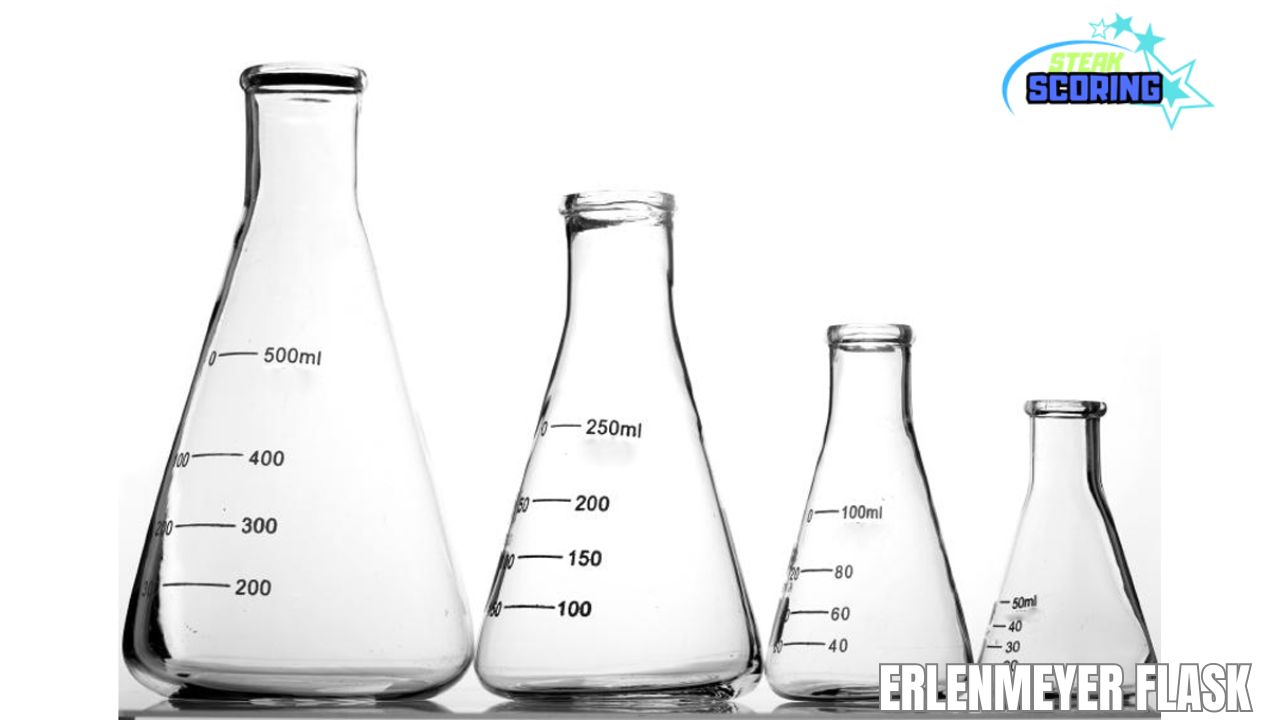
The Erlenmeyer flask is a staple of laboratories across chemistry, biology and teaching environments. Its simple, purposeful design makes it one of the most versatile pieces of glassware in any lab. This guide explains what the Erlenmeyer flask is, why its shape matters, how it is used across disciplines, what materials and sizes are common, and how to use and care for it safely and effectively. Whether you are a student learning basic lab technique or a researcher choosing the right vessel for an experiment, this article gives the practical information you need.
What Is an Erlenmeyer Flask and Why Its Design Matters
An Erlenmeyer flask is a conical laboratory flask with a flat, wide base that narrows to a short, cylindrical neck. The conical body and narrow opening are the defining characteristics that give this glassware its unique advantages: stability on flat surfaces, controlled pouring, and reduced risk of splashing when mixing liquids. Because the neck is narrow, the flask can be stoppered, fitted with adapters, or used under a burette for titration. Its basic design has endured because it solves several everyday lab problems efficiently.
The geometry of an Erlenmeyer flask allows liquids to be swirled without spilling. This is especially useful when mixing reagents, dissolving solids, or ensuring an even temperature distribution during gentle heating. Additionally, many flasks have graduation marks for approximate volume measurement — useful for quick tasks, although these marks are not precise enough for analytical volumetric work. The combination of functional geometry and straightforward manufacturing makes the Erlenmeyer flask affordable and ubiquitous.
A Brief History of the Erlenmeyer Flask

The Erlenmeyer flask takes its name from Emil Erlenmeyer, a German chemist who described the design in the mid-19th century. First used and shown around the 1850s and published in the 1860s, the flask was created to improve the handling of liquids and chemical reactions in the laboratory. The design rapidly gained acceptance because it offered practical advantages over open-mouthed beakers and round-bottom flasks for many routine tasks.
Over time, the Erlenmeyer flask evolved with improvements in glassmaking, including the adoption of borosilicate glass, which resists thermal shock and chemical corrosion. Modern variants also include plastic flasks, disposable versions, and specialty designs with thicker walls or sidearms for vacuum applications. Despite these variations, the original conical shape remains the same because it meets a broad range of everyday lab needs.
Common Materials and Size Options
Erlenmeyer flasks are available in several materials and many sizes to match specific experimental needs. The most common materials are:
- Borosilicate glass: Durable and heat-resistant, ideal for heating and long-term storage of chemicals. This material tolerates temperature changes better than ordinary glass.
- Soda-lime glass: Less expensive but more susceptible to thermal stress and some chemical attack; often used in teaching settings for lower-cost inventory.
- Plastic (polypropylene, polymethylpentene): Lightweight and shatter-resistant; suitable for cell culture and field use as disposable or reusable options. Plastics are not suitable for high-temperature heating or some organic solvents.
Typical size ranges include small flasks (25–100 mL) used for micro-preparations and titrations, medium sizes (125–500 mL) common in teaching labs and routine chemistry work, and large flasks (1 L and above) used for cultures, fermentations, and bulk solution preparation. Many sizes are available with narrow-mouth or wide-mouth necks, depending on the intended application.
Primary Uses and Laboratory Applications
The Erlenmeyer flask excels at a variety of common lab tasks. Each use takes advantage of specific design features:
Mixing and Solution Preparation
The tapered sides let liquids be swirled safely, promoting rapid mixing without the spilling risk that an open beaker presents. This makes the flask ideal for dissolving solids, preparing buffer solutions, and combining reagents before analysis.
Heating and Boiling
With a flat base, the Erlenmeyer flask sits securely on hot plates, wire gauze, or heating mantles. The narrow neck reduces evaporation during heating, and the conical shape encourages even heat distribution. Always choose borosilicate glass when heating to reduce the risk of breakage from thermal stress.
Titration
In titrations, the Erlenmeyer flask is often placed under a burette to receive titrant drops while the solution is swirled. The shape minimizes splashing and allows the operator to see the color change endpoint clearly.
Filtration and Recrystallization
The Erlenmeyer flask supports funnel-based filtration and is sometimes used in recrystallization setups. For vacuum filtration applications, a similar but reinforced design called a filter or Büchner flask (with a sidearm) is used, but an Erlenmeyer flask can still play a role in gravity filtration setups.
Biological Cultures and Fermentation
In microbiology and biotechnology, Erlenmeyer flasks are widely used for culturing microorganisms and small-scale fermentation. Flasks with breathable closures or foam caps allow gas exchange while minimizing contamination. Their shape supports agitation in orbital shakers to provide oxygenation for aerobic cultures.
Temporary Storage and Transport
Fitted with stoppers or screw caps, an Erlenmeyer flask can store solutions temporarily with less evaporation than open vessels. For transport around the lab, a capped Erlenmeyer flask is usually safer than an uncovered beaker.
Advantages of Using an Erlenmeyer Flask

The Erlenmeyer flask offers several advantages that make it a first choice for many routine tasks:
- Stability: The broad flat base minimizes the chance of tipping.
- Reduced spillage: The conical shape keeps liquids from splashing during mixing.
- Versatility: Suitable for heating, mixing, titrating, filtering, culturing, and storage.
- Ease of sealing: The narrow neck accepts stoppers, caps, or cotton plugs for controlled closure.
- Wide availability and affordability: A range of sizes and materials keeps costs reasonable for educational and research labs.
These combined benefits explain its continued relevance even as specialized glassware exists for niche applications.
Limitations and When to Use Alternatives
While versatile, the Erlenmeyer flask is not ideal for every application. Its limitations include:
Not for Precise Volumetry
Graduation marks on many flasks provide only approximate volumes. For analytical measurements requiring precision, use volumetric flasks, pipettes, or burettes instead.
Fragility and Thermal Shock
Glass flasks can break under impact or sudden temperature changes. Use caution when heating or cooling; always choose borosilicate glass for thermal applications.
Not Ideal for Uniform Heating of Some Reactions
For certain syntheses that require uniform heating or refluxing, round-bottom flasks are preferred because they distribute heat evenly and accommodate effective stir bars or condensers.
Chemical Compatibility
Certain solvents and reagents may attack plastic flasks or require specialized materials. Always confirm material compatibility before using plastic vessels.
When any of these limitations matter to your procedure, select the appropriate alternative glassware to ensure accurate, safe results.
Best Practices for Safe and Effective Use
To get the most out of an Erlenmeyer flask while limiting risks, follow these practical tips:
Choosing the Right Material and Size
Select borosilicate glass for heating tasks and choose a flask size that leaves adequate headspace (typically at least 30% empty) to prevent overflow during mixing or boiling.
Handling and Heating
Avoid sudden temperature changes. When heating on a hot plate or Bunsen burner, do so gradually. For open-flask boiling, use a clamp or ring stand if there is a risk of tipping, and never heat a sealed flask.
Mixing Techniques
When swirling to mix, support the base with your hand or place the flask on a flat surface and use a glass stirring rod for stubborn solutes. For vigorous mixing or reactions that generate gas, use appropriate venting and protective shielding.
Cleaning and Maintenance
Rinse flasks promptly after use. For stubborn residues, soak with an appropriate detergent or cleaning solution. Use brushes designed for conical shapes to scrub sidewalls. Inspect glassware for chips or cracks and discard damaged flasks.
Sterilization in Biology Labs
For microbiology or cell culture, autoclave flasks with appropriate closures (loose caps or breathable closures). Allow proper cooling and handle with sterile technique to avoid contamination.
Labeling and Storage
Label flasks clearly with content, concentration, and date. When storing hazardous chemicals, ensure caps and stoppers provide secure sealing and keep incompatible chemicals separated.
Following these practices improves safety, prolongs the life of the flask, and enhances experimental reliability.
Special Variants and Accessories
Several Erlenmeyer flask variants and accessories extend their function:
- Sidearm/flask with vacuum port: For vacuum filtration or reduced-pressure operations, special flasks or sidearm adapters are used.
- Screw-cap flasks: Provide secure sealing for storage or transport without glass stoppers.
- Filter adapters and funnels: Enable gravity filtration directly into the flask.
- Baffled flasks: Internal baffles improve mixing and oxygen transfer for shaken cultures.
- Disposable plastic flasks: Useful where contamination risk is high or when cleanup and breakage are concerns.
Choosing the right variant and accessory depends on the experimental goal and the need for sealing, agitation, or vacuum compatibility.
How to Select the Best Erlenmeyer Flask for Your Project
When selecting an Erlenmeyer flask, consider these decision points:
- Application: Heating, titration, culture growth, filtration — different uses prioritize different features.
- Material: Choose borosilicate glass for heat and chemical resistance; plastics for disposable convenience.
- Volume: Pick a size that leaves headspace; for culture, use volumes suited to shaking or aeration needs.
- Closure: Decide whether a stopper, screw cap, or breathable closure is needed.
- Special features: Filter ports, sidearms, and baffled designs add functionality for particular workflows.
Balancing these factors will ensure you get the right flask for your laboratory tasks.
Common Mistakes and How to Avoid Them
Even experienced lab workers sometimes misuse an Erlenmeyer flask. Here are common errors and simple fixes:
- Overfilling leads to spills during mixing. Fill to no more than two-thirds capacity for mixing or heating.
- Using the wrong glass type for heating risks breakage. Always choose borosilicate for thermal work.
- Relying on flask graduations for precision results in inaccurate concentrations. Use proper volumetric glassware for analytical work.
- Sealing a hot flask tightly can cause pressure buildup. Never seal flasks that are actively boiling or producing gas.
- Skipping inspection can leave chips or cracks unnoticed. Discard any glassware with visible damage to avoid breakage and contamination.
Addressing these mistakes with straightforward habits will make lab work safer and more reliable.
Practical Tips for Students and New Lab Users
If you are new to lab work, mastering the Erlenmeyer flask is an early and valuable skill. Try these practical tips:
- Practice swirling technique with water to build confidence before working with reagents.
- Always wear appropriate personal protective equipment (PPE): goggles, lab coat, and gloves.
- Use clamp stands when heating or when working with large volumes.
- When culturing microbes, learn the correct way to cap or plug flasks to allow gas exchange without contamination.
- Keep a brush or designated cleaning tool for glassware to avoid cross-contamination between chemicals.
Learning these habits early will build a strong safety mindset and good experimental technique.
Sustainability and Disposal Considerations
Glass flasks are reusable and can be a sustainable laboratory choice when cleaned and maintained properly. Broken glass should be disposed of in designated sharps containers to protect waste handlers. Plastic flasks intended for disposal must be handled as laboratory waste according to institutional guidelines. Where possible, adopt reusable options and follow local regulations for chemical and glass waste to minimize environmental impact.
Conclusion
The Erlenmeyer flask remains an indispensable, multifunctional tool in laboratories around the world. Its conical design solves practical problems of mixing, heating and storage while the range of materials and sizes makes it adaptable for many scientific disciplines. By understanding the strengths and limitations of the Erlenmeyer flask, applying best practices for safe use and maintenance, and choosing the appropriate variant for your task, you can take full advantage of this classic piece of lab equipment.
Frequently Asked Questions
Q1: What makes an Erlenmeyer flask different from a beaker?
A1: The main difference is the shape: an Erlenmeyer flask has a conical body and narrow neck, while a beaker has straight sides and a wide mouth. The flask’s shape reduces splashing during mixing, allows easier sealing, and is better for swirling; beakers are simpler for pouring and for tasks that require wide access to the liquid.
Q2: Can I use any Erlenmeyer flask for heating?
A2: Not all flasks are suitable for heating. Use borosilicate glass Erlenmeyer flasks for thermal applications because they resist thermal shock. Avoid heating plastics or soda-lime glass that are not rated for high temperatures.
Q3: Are the volume markings on an Erlenmeyer flask accurate?
A3: Graduation marks on many Erlenmeyer flasks provide approximate volumes and are not intended for precise volumetric measurements. For accurate volume work, use a volumetric flask, pipette, or calibrated burette.
Q4: How should I sterilize an Erlenmeyer flask for microbiology use?
A4: Sterilize glass Erlenmeyer flasks by autoclaving according to your lab’s protocol. Use breathable closures or loosely tightened screw caps to allow steam penetration during autoclaving and proper gas exchange during subsequent culturing.
Q5: What is the proper way to clean and store an Erlenmeyer flask?
A5: Rinse the flask promptly after use, soak if necessary, and scrub with an appropriately sized brush for the conical shape. Inspect for chips or cracks and discard damaged glassware. Label flasks clearly before storage and keep hazardous materials separated according to safety protocols.
Also Read: Complete Guide to рыба и картофель фри: Origins, Flavors, Cooking Techniques, and Modern Culture

Arizona Cardinals vs Dallas Cowboys Match Player Stats: Complete Performance Breakdown and In-Depth Game Analysis

Cleveland Browns vs Las Vegas Raiders Match Player Stats: Complete Performance Breakdown and Game Analysis

Atlanta Falcons vs 49ers Match Player Stats: Full Game Performance Analysis, Key Players, and Tactical Breakdown

Best Steakhouse Sacramento?? Exploring the Top Sacramento Steak Restaurants

Understanding lwedninja, lwedninja?? and Their Place in Digital Conversations

Best Steakhouse in Kansas City: A Complete Guide to Dining, Flavor, and Tradition
-
 Food & Drinks6 months ago
Best Steakhouse Sacramento?? Exploring the Top Sacramento Steak Restaurants
-
 Entertainment6 months ago
Understanding lwedninja, lwedninja?? and Their Place in Digital Conversations
-
 Food & Drinks6 months ago
Best Steakhouse in Kansas City: A Complete Guide to Dining, Flavor, and Tradition
-

 Business6 months ago
Steakhouse Branson MO: Discovering the Best Steaks and Dining in the Ozarks
-

 Celebrity6 months ago
June Baranco, Life, and Legacy??
-

 Entertainment6 months ago
star wars the clone wars anakin vs obi wan
-

 Food & Drinks6 months ago
Steakhouse Vero Beach: Exploring Flavor, Tradition, and the Best Cuts in Town
-

 Game6 months ago
Mustafar Star Wars?? The Fiery World of Conflict and Legacy