
Education
Nova Scola – The Modern Approach to Education and Innovation
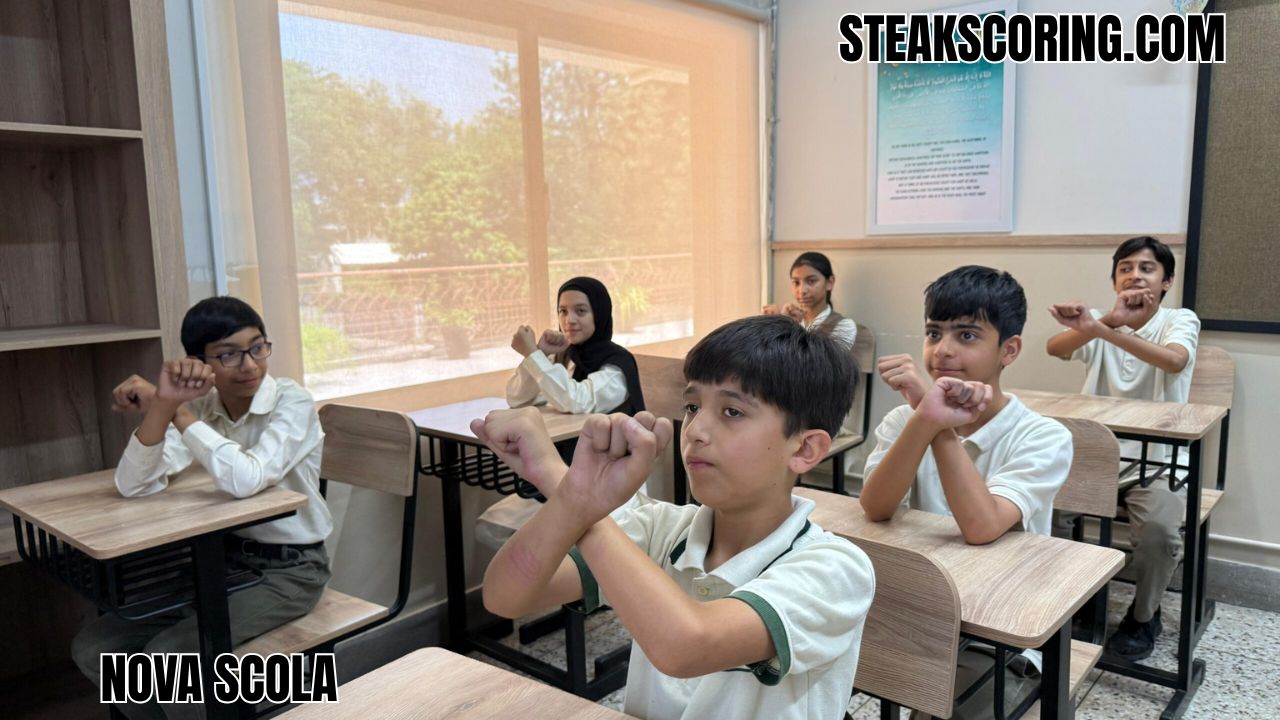
Introduction: Understanding Nova Scola
Nova Scola represents a new wave of educational transformation, combining traditional learning principles with modern innovation and technology. The term itself — derived from Latin roots meaning “new school” — symbolizes the evolution of education systems worldwide. As classrooms continue to adapt to digital environments, experiential learning, and global connectivity, Nova Scola stands as a concept that defines this transition.
In today’s rapidly changing world, education must go beyond textbooks and standardized testing. It must prepare learners for creativity, adaptability, and problem-solving in real-world contexts. Nova Scola embodies that idea — a shift toward personalized, technology-driven, and human-centered education.
This article explores the philosophy, structure, and impact of Nova Scola, its connection to modern learning methods, and how it shapes the next generation of students, teachers, and educational institutions.
The Philosophy Behind Nova Scola

At its core, Nova Scola is built on a simple yet powerful philosophy: education should evolve as society evolves. Traditional classrooms often emphasize memorization and uniformity, while Nova Scola prioritizes curiosity, innovation, and critical thinking.
The idea is that learning should not just transfer information but also inspire exploration. Students are encouraged to engage with concepts through discussion, experimentation, and creative expression. Teachers, instead of acting merely as instructors, become mentors and facilitators of discovery.
This philosophy aligns with global educational reforms that focus on 21st-century skills such as digital literacy, collaboration, and emotional intelligence.
Origins and Evolution of Nova Scola
The concept of Nova Scola has gained attention across various countries as institutions seek new approaches to learning. It draws inspiration from progressive educational theories — including constructivism, experiential learning, and learner-centered pedagogy.
In many cases, schools and universities branded under Nova Scola emphasize:
- Flexible curricula that adapt to individual learning styles.
- Integration of technology in daily lessons.
- A focus on critical and creative problem-solving.
- Multidisciplinary approaches that blend arts, science, and humanities.
- Real-world projects and community-based learning experiences.
As education systems worldwide face challenges such as technological disruption, skill gaps, and unequal access, Nova Scola provides a blueprint for a more inclusive and adaptive model of education.
The Role of Technology in Nova Scola
Technology lies at the heart of Nova Scola’s success. Rather than viewing digital tools as mere supplements, Nova Scola integrates technology into every layer of the learning process.
Key areas of integration include:
- Virtual Classrooms and E-Learning: Students participate in remote and hybrid lessons using interactive platforms.
- AI-Powered Personalization: Artificial intelligence analyzes learning patterns to customize study materials and assessments.
- Gamification: Learning is made engaging through digital games and simulations that reinforce knowledge.
- Blockchain for Credentialing: Academic records and certifications are securely stored using blockchain technology, ensuring transparency.
- Collaborative Platforms: Cloud-based tools allow students from different parts of the world to work together on projects.
By embracing these tools, Nova Scola turns the classroom into a dynamic, connected ecosystem that mirrors the modern workplace.
Teaching Methods in Nova Scola

The instructional methods within Nova Scola differ significantly from conventional education. Teachers adopt flexible, interactive, and student-centered approaches that encourage participation and autonomy.
Some core methods include:
- Project-Based Learning (PBL): Students work on real-world challenges, applying theoretical knowledge to practical problems.
- Flipped Classrooms: Traditional lectures are replaced with online content, allowing in-class time for discussion and collaboration.
- Socratic Dialogue: Teachers guide students through inquiry and dialogue rather than one-way instruction.
- Experiential Learning: Lessons involve fieldwork, lab experiments, and simulations to deepen understanding.
- Continuous Feedback: Instead of one-time grading, progress is tracked through ongoing assessments and feedback loops.
This teaching philosophy fosters independence, creativity, and lifelong learning — qualities that define the Nova Scola approach.
The Student Experience in Nova Scola
For students, Nova Scola represents an entirely different learning environment — one that feels alive, relevant, and empowering.
Unlike traditional classrooms, where students often follow a rigid syllabus, Nova Scola emphasizes exploration. Learners are encouraged to:
- Pursue topics based on curiosity and interest.
- Collaborate with peers on interdisciplinary projects.
- Access digital tools and resources for self-guided learning.
- Participate in mentorship programs that connect them with professionals.
In many Nova Scola programs, learning extends beyond the classroom. Field studies, social impact projects, and internships form a core part of the curriculum, ensuring that education remains connected to real-world applications.
Nova Scola and Global Education Reform
As countries rethink how they educate their citizens, Nova Scola provides a model for global education reform. It addresses major systemic challenges such as:
- Equity: Ensuring that quality education is accessible to all, regardless of location or income.
- Relevance: Updating curricula to align with the demands of modern industries.
- Engagement: Making learning more interactive and student-driven.
- Lifelong Learning: Encouraging adults and professionals to continue education through flexible, digital means.
Organizations and governments that implement Nova Scola principles often see higher student engagement rates, better performance in critical thinking, and improved adaptability in graduates.
The Importance of Educators in Nova Scola
While technology and innovation are vital, the human element remains central in Nova Scola. Teachers play a transformative role as facilitators of learning, guiding students through exploration and inquiry.
In this model, educators must:
- Master new digital tools and teaching methods.
- Encourage creativity and problem-solving.
- Support emotional well-being and motivation.
- Foster inclusive classrooms that respect diversity.
Nova Scola redefines the role of teachers as mentors who empower students to take charge of their own educational journeys.
Community and Cultural Impact of Nova Scola
Education shapes societies, and Nova Scola aims to create not just better learners but better citizens. By encouraging collaboration, empathy, and innovation, this model has a profound cultural and social impact.
Community involvement plays a major role — students often engage in projects that address real issues such as sustainability, social justice, and entrepreneurship. This hands-on learning approach connects education to community development, bridging the gap between theory and practice.
Nova Scola in Higher Education and Professional Training
The Nova Scola philosophy extends beyond primary and secondary education. Many universities and professional institutions are adopting similar frameworks to better prepare graduates for the job market.
This includes:
- Flexible online degrees and micro-credentials.
- Interdisciplinary programs combining science, technology, and design.
- Research-driven learning environments.
- Partnerships with industries for practical exposure.
The result is an educational structure that aligns academic achievement with employability and innovation.
Challenges and Future Outlook for Nova Scola
While Nova Scola offers immense promise, it also faces challenges — particularly in terms of implementation and scalability. Not all institutions have equal access to technology, teacher training, or funding.
To succeed, the movement requires:
- Continued investment in digital infrastructure.
- Supportive government policies that encourage innovation.
- Collaboration between public and private sectors.
- Ongoing professional development for educators.
The future of Nova Scola depends on the balance between innovation and inclusivity — ensuring that every learner benefits from this transformation.
Conclusion: The Future of Learning with Nova Scola
Nova Scola represents the dawn of a new era in education — one that combines knowledge, creativity, and technology to prepare learners for the complexities of the modern world.
Its focus on critical thinking, adaptability, and collaboration ensures that students are not only equipped for today’s challenges but also ready to shape the future.
By redefining what it means to learn, teach, and innovate, Nova Scola stands as a beacon for education systems worldwide, guiding them toward a more dynamic, equitable, and human-centered model.
Also Read: IcoStamp – Understanding the Platform, Features, and Impact in the Crypto Ecosystem

Education
The Inspiring Role of a Community Educator: Understanding the Influence of Michael Buncek Bayonne
Introduction to a Dedicated Local Educator
Every community relies on people who quietly devote their lives to helping others grow, learn, and succeed. Among these influential figures is Michael Buncek Bayonne, a committed educator whose work within the Bayonne public school system demonstrates how meaningful a teacher’s presence can be in shaping young minds. His contributions highlight the essential part teachers play not only in academic instruction but also in guiding students through important stages of personal development.
In a time when public education continues to evolve, recognizing the value of educators like Michael Buncek Bayonne helps us better appreciate the dedication required to maintain a healthy and supportive learning environment. His professional journey shows how one educator can make a difference in the lives of many students through determination, passion, and a student-focused teaching approach.
The Role of Teachers Within the Bayonne School District

The Bayonne School District serves a diverse population and requires teachers who can adapt to different learning needs while maintaining high academic standards. Educators working in this district often manage classrooms filled with students who come from a variety of cultural, social, and economic backgrounds. This diversity requires patience, flexibility, and an understanding of how to support each learner.
Within this dynamic environment, Michael Buncek Bayonne fulfills the demanding responsibilities that come with being a teacher in a public school system. From preparing lessons to evaluating student progress, he represents the steadying presence students rely on. A teacher’s job extends beyond academics; it includes building trust, encouraging confidence, and ensuring students feel valued in the classroom community.
Teachers like him play a foundational role in shaping the educational experience of students. By consistently showing up for his learners, maintaining professional dedication, and adapting to their needs, Michael Buncek Bayonne contributes to the overall strength and stability of the Bayonne educational system.
A Commitment to Science Education and Hands-On Learning
Community reports and school-focused sources describe Michael Buncek Bayonne as an educator who places strong emphasis on science education. Science as a subject helps students understand the world, think critically, and learn how to question and explore. Teachers who specialize in science often guide students through experiments, demonstrations, and interactive activities that make abstract concepts understandable and engaging.
The ability to bring science to life in the classroom is a valuable skill. Students often respond well to hands-on learning, especially in subjects that require observation, experimentation, and interpretation. Educators who encourage curiosity set the stage for future academic success in fields such as medicine, engineering, and environmental studies. When a teacher like Michael Buncek Bayonne takes the time to foster enthusiasm for scientific exploration, students gain more than textbook knowledge—they develop confidence in their ability to understand complex systems and apply what they learn.
The Importance of Student Engagement in Modern Education
Education today looks very different from what it used to be. Students are surrounded by technology, influenced by social media, and often balancing responsibilities outside of school. For this reason, teachers are expected to do more than lecture. They must inspire engagement, create interactive lessons, and connect learning to real-life experiences.
A teacher who succeeds in engaging students helps them stay motivated throughout their academic journey. Reports suggest that Michael Buncek Bayonne places great importance on maintaining student interest, making him a valuable part of the Bayonne educational workforce. When teachers create a supportive atmosphere where students feel encouraged to ask questions, share ideas, and challenge themselves, they are more likely to retain information and continue seeking knowledge long after the lesson ends.
Teachers who understand the evolving needs of students play a significant role in developing a generation that can adapt, think creatively, and communicate effectively.
Public School Transparency and the Realities of Teaching
The responsibilities of public school teachers extend far beyond the classroom. They prepare lessons at home, communicate with parents, attend training sessions, and participate in school events. Public payroll records reveal that Michael Buncek Bayonne works within a system where educators’ salaries are publicly available due to state transparency laws. This openness helps communities understand how public funds are allocated and the level of investment placed in local education.
However, salary numbers alone do not reveal the challenges educators face. Teaching involves emotional labor, long hours, and constant adaptation to administrative changes, evolving educational standards, and diverse student needs. The figures associated with Michael Buncek Bayonne provide a small glimpse into the financial aspect of teaching, but the deeper story lies in the dedication required to maintain high-quality instruction year after year.
Public school teachers often work with limited resources and increasing expectations. Their ability to remain committed despite these pressures is a testament to their resilience and passion for shaping young learners’ futures.
Building a Supportive Classroom Environment

A successful classroom does not happen by accident. It requires structure, encouragement, and a teacher who recognizes the unique abilities of each student. Educators like Michael Buncek Bayonne contribute to a learning environment where students feel safe to explore, participate, and ask questions.
A supportive classroom environment also promotes collaboration. Students learn how to work together, respect diverse perspectives, and appreciate shared accomplishments. When teachers incorporate interactive strategies, group activities, and clear communication, learners are more likely to develop strong academic habits.
A healthy classroom culture influences far more than the school year. The skills students develop remain with them as they advance to higher education, seek employment, and participate in their communities. Teachers who create positive environments help mold students into well-rounded individuals capable of contributing to society.
The Impact of Teacher-Student Relationships
The relationship between a teacher and a student can shape the trajectory of a child’s academic life. When students feel respected and understood, they are more likely to engage with school, set personal goals, and work through challenges. Teachers who establish meaningful connections can significantly improve student outcomes.
Many educators, including Michael Buncek Bayonne, understand that teaching is not just about delivering content. It is about recognizing each student’s potential and helping them reach it. Students often remember teachers who believed in them, offered guidance, and made learning enjoyable. These experiences build confidence that follows them into adulthood.
Strong teacher-student relationships promote emotional well-being, reduce performance anxiety, and help students develop trust in authority figures. When teachers show empathy and patience, they help create a learning environment where every student feels capable of success.
The Broader Influence of Educators on Community Growth
Public school educators shape not only individual students but entire communities. Their work supports the long-term growth of neighborhoods, cities, and even regions. When students receive a strong education, they are more likely to become responsible citizens, pursue higher education, and contribute meaningfully to society.
Teachers like Michael Buncek Bayonne serve as the foundation of this growth. By helping students develop critical thinking skills, strong communication abilities, and academic confidence, he contributes to a future where young people can become leaders, professionals, innovators, and community members who create positive change.
Communities often flourish when their educational institutions are strong. By maintaining academic integrity and fostering lifelong learning, teachers provide a service that extends far beyond classroom walls.
The Significance of Recognizing Everyday Educators
While some educators receive public awards or media attention, many remain largely unrecognized outside their local communities. Their efforts, however, are no less impactful. Recognizing teachers like Michael Buncek Bayonne allows communities to appreciate the work that happens behind the scenes every day.
Acknowledgment boosts morale and reminds educators that their efforts matter. It encourages new teachers to join the profession and inspires current teachers to continue growing. Celebrating the contributions of everyday educators reinforces the idea that teaching is a noble profession that deserves respect.
Recognition does not have to come in the form of awards; even community appreciation, school events, or personal gratitude from students can make a significant difference.
The Lasting Legacy of a Dedicated Teacher
A teacher’s influence can last far longer than a school year. Students often carry the lessons, encouragement, and inspiration they receive into adulthood. Teachers who commit to their students’ success build lasting legacies through the lives they help shape.
Through his continued work in public education, Michael Buncek Bayonne demonstrates a long-term dedication to helping students grow academically and personally. His efforts contribute to a legacy built on guidance, support, and a genuine desire to help young people succeed.
Teaching is more than a profession; it is a contribution to humanity. When educators devote their careers to the well-being of students, they shape a world where knowledge, respect, and opportunity thrive.
Also Read: Understanding Prizmatem: Meaning, Creative Use, Digital Growth, and Cultural Impact
Education
Valplekar: A Exploration of Meaning, Identity, Symbolism, and Cultural Interpretation

Introduction to the Word Valplekar
The term valplekar carries a distinctly imaginative sound, evoking curiosity from the very first moment it is spoken or read. With its bold structure and intriguing rhythm, valplekar feels like a word ready to be shaped into a concept, a character, a brand, a cultural element, or a symbolic reference. This article embraces the creative potential of valplekar and transforms it into a flexible, expressive idea capable of thriving in fiction, design, world-building, and artistic exploration.
Throughout this in-depth piece, the keyword valplekar appears twenty times as we explore its possible meanings, emotional tones, structural beauty, branding potential, and narrative uses—without tying it to any real-world entity. The goal is to give valplekar a rich creative identity that can be used in any artistic or imaginative context.
The Linguistic Structure and Sound Identity of Valplekar
Linguistically, valplekar is both striking and inviting. Its three-part construction—val-ple-kar—creates a rhythmic progression that feels balanced and energetic. Each syllable contributes to the identity of the word:
- Val suggests strength or elevation.
- Ple introduces softness and flow.
- Kar ends with a grounded, firm resonance.
Together, valplekar forms a distinctive sound pattern that feels suitable for character names, place titles, product branding, or conceptual terminology. Its phonetic structure ensures memorability, making valplekar a powerful choice in world-building and creative writing.
Valplekar as a Fictional Character

One dynamic way to apply valplekar is to craft it into the persona of a fictional character. A character named Valplekar might inhabit worlds of:
- epic fantasy,
- futuristic sci-fi,
- mystery adventure,
- philosophical storytelling,
- or supernatural realism.
Depending on the narrative, valplekar could be a guardian of ancient realms, a daring explorer, a visionary inventor, or a contemplative philosopher who guides the protagonist. The name itself carries authority and mystery, making a character named valplekar instantly compelling.
Personality Traits for a Character Named Valplekar
Based on its sound, the name valplekar inspires certain personality qualities. These may include:
- strength mixed with intellect,
- decisive leadership,
- deep curiosity,
- calm confidence,
- spiritual or intuitive insight,
- resilience and adaptability.
These traits can be amplified or modified depending on how valplekar functions within a story. The flexibility of the name helps writers build characters with emotional depth and narrative purpose.
Symbolic Interpretations of the Word Valplekar
Symbolically, valplekar can represent a variety of themes. Words with powerful consonant endings and smooth vowel transitions often embody ideas like:
- transformation,
- inner power,
- balance between logic and emotion,
- cultural evolution,
- or the search for identity.
In this way, valplekar can be woven into stories or artistic works as a symbol for growth, exploration, or hidden knowledge. Authors might let valplekar stand for a sacred artifact, a mystical order, or a legendary concept within a fictional universe.
Valplekar in World-Building
World-building thrives on detail, and valplekar has all the qualities of a meaningful world element. In a richly constructed fictional realm, valplekar could be:
- a place (The Kingdom of Valplekar),
- a tribe or cultural faction (The Valplekar Order),
- a technological invention (The Valplekar Engine),
- a magical force (The Valplekar Light),
- or a historic event (The Valplekar Era).
Because the word valplekar feels both ancient and modern, it can adapt to almost any genre. Writers and creators can layer mythology, history, and identity around the term, turning valplekar into a key world-building anchor.
Valplekar as a Brand or Creative Identity

In branding, originality is everything. The uniqueness of valplekar makes it an excellent name for:
- a tech company,
- a luxury product,
- an art studio,
- a fashion line,
- a gaming brand,
- or a digital creative platform.
A brand named Valplekar would immediately stand out due to the name’s boldness and memorable quality. It communicates both strength and sophistication, making it perfect for modern creative industries.
Cultural Imagination Surrounding Valplekar
Though not tied to any real culture, valplekar can easily be imagined as part of a rich cultural tradition in a fictional setting. It could represent:
- an ancient ritual,
- a form of dance or storytelling,
- a philosophical school,
- a martial discipline,
- or a ceremonial title.
For example, in a novel or RPG world, the Valplekar Ceremony might be a rite of passage symbolizing transformation and maturity. The cultural flexibility of valplekar allows for endless artistic interpretation.
Emotional Resonance and Aesthetic Meaning
Emotionally, valplekar feels strong, grounded, and slightly mysterious. Readers or audiences may subconsciously associate it with:
- resilience,
- heroism,
- ambition,
- destiny,
- or inner strength.
The name has a powerful emotional footprint, making it ideal for use in dramatic narratives or thematic artwork.
Modern Creative Uses of Valplekar
In contemporary creative spaces, valplekar can be used in:
- poetry,
- music projects,
- world-building guides,
- game development,
- animated storytelling,
- conceptual art pieces.
Because the word does not carry predefined associations, creators can fully craft their own meaning around valplekar, shaping it into whatever their work requires.
Psychological Appeal of Valplekar
Psychologically, humans are drawn to unique yet structured names. The symmetry and consonant flow of valplekar stimulate curiosity and familiarity at the same time. Words like valplekar are easy to remember yet feel unbounded, which makes them ideal for:
- fictional universes,
- immersive narratives,
- or identity-driven branding.
The balance between novelty and structure gives valplekar a timeless creative appeal.
The Future Creative Potential of Valplekar
As creative expression evolves across storytelling, digital art, and virtual experiences, words like valplekar gain increasing value. Their adaptability allows them to exist across genres, eras, and artistic mediums.
Valplekar has the potential to become:
- a recurring narrative icon,
- a brand identity,
- a philosophical idea,
- or a longstanding cultural element in fictional worlds.
Its future lies in its flexibility and expressive power.
Conclusion: The Creative Power of Valplekar
The word valplekar is more than a sequence of letters—it is a conceptual canvas ready to be shaped into identity, symbolism, and artistic meaning. Whether imagined as a character, brand, cultural symbol, mythical artifact, or philosophical concept, valplekar offers limitless creative potential.
Its bold sound, emotional resonance, and linguistic structure make it a standout choice for writers, artists, world-builders, designers, and imaginative thinkers.
Through this exploration, valplekar becomes a vibrant tool for creativity—capable of carrying stories, symbols, and styles across countless imaginative landscapes.
Education
Revolutionizing Education with Classroom 30X
Introduction: The Rise of Classroom 30X
In the modern educational landscape, technology continues to reshape the way students learn and teachers teach. One of the emerging tools making waves is classroom 30x, a platform designed to enhance engagement, collaboration, and productivity in educational settings. With the growing demand for interactive and technology-driven classrooms, classroom 30x offers solutions that address both in-person and remote learning challenges. This article explores the features, benefits, and impact of classroom 30x, providing a detailed understanding of why it is becoming a key resource for educators worldwide.
The Core Features of Classroom 30X
Classroom 30x stands out for its comprehensive suite of tools tailored to modern education. From interactive whiteboards to seamless video integration, the platform allows teachers to create immersive lessons that capture student attention. Features such as digital assessments, real-time collaboration, and learning analytics make classroom 30x a complete educational solution.
By combining these tools in a single platform, classroom 30x helps educators manage classrooms more effectively, track student progress, and deliver personalized learning experiences.
Enhancing Student Engagement

One of the primary benefits of classroom 30x is its ability to increase student engagement. Interactive modules, multimedia lessons, and gamified learning experiences make education more exciting and relatable. Students can participate actively rather than passively consuming content, improving retention and understanding.
Teachers using classroom 30x can monitor participation, encourage collaboration, and adapt lesson plans to suit student needs, ensuring a more dynamic and effective learning environment.
Supporting Remote and Hybrid Learning
The rise of remote and hybrid education models has highlighted the need for versatile digital tools. Classroom 30x provides seamless integration of video conferencing, virtual classrooms, and collaborative spaces, allowing students and teachers to connect from anywhere.
This flexibility ensures that learning continues uninterrupted, regardless of location, making classroom 30x ideal for schools, colleges, and corporate training programs looking to implement hybrid learning models.
Advanced Assessment Tools
Assessment is a key component of education, and classroom 30x offers advanced tools to evaluate student performance. Automated quizzes, real-time feedback, and detailed analytics help educators understand progress and identify areas for improvement.
By using classroom 30x, teachers can personalize learning plans, provide targeted support, and ensure students are meeting educational objectives effectively.
Classroom Management and Organization
Managing a classroom can be challenging, but classroom 30x simplifies this process. Features like attendance tracking, digital seating plans, and task management allow educators to maintain order and efficiency. The platform also supports communication with parents and guardians, ensuring a collaborative approach to student development.
Efficient classroom management using classroom 30x allows teachers to focus more on instruction and less on administrative tasks.
Integration with Educational Resources
Classroom 30x supports integration with various educational tools and resources, including e-books, multimedia libraries, and third-party apps. This integration allows teachers to enrich lessons, provide diverse learning materials, and adapt content for different learning styles.
Students benefit from a more personalized and engaging learning experience, while educators gain flexibility in delivering curriculum content.
Encouraging Collaboration and Teamwork
Collaboration is a key skill in the 21st century, and classroom 30x facilitates teamwork among students. Shared workspaces, discussion forums, and group projects allow learners to collaborate on assignments, share ideas, and develop critical communication skills.
By fostering collaboration, classroom 30x helps prepare students for real-world scenarios where teamwork and problem-solving are essential.
Security and Privacy in Classroom 30X
As digital platforms become central to education, security and privacy are paramount. Classroom 30x implements robust security protocols, ensuring that student data and communications are protected. Access controls, encryption, and regular updates safeguard sensitive information, giving educators and parents peace of mind.
This commitment to privacy ensures that learning can take place safely in both physical and digital environments.
Enhancing Teacher Development

Professional development is crucial for educators to adapt to new teaching methods. Classroom 30x provides training modules, tutorials, and community support to help teachers make the most of the platform. By improving digital literacy and instructional strategies, classroom 30x empowers educators to enhance their teaching effectiveness.
Continuous development opportunities make classroom 30x not just a student resource but a comprehensive teacher support system.
Future of Education with Classroom 30X
Looking forward, classroom 30x represents the future of technology-driven education. Features like AI-assisted learning, predictive analytics, and adaptive content delivery are expected to further revolutionize how students learn. By staying at the forefront of educational technology, classroom 30x ensures that learning remains engaging, personalized, and efficient.
Its future prospects demonstrate the platform’s potential to transform education across schools, universities, and training institutions globally.
Conclusion: Why Classroom 30X Matters
In conclusion, classroom 30x is more than just a digital platform—it is a comprehensive solution for modern education. By enhancing engagement, supporting remote learning, improving assessments, and ensuring security, classroom 30x addresses the evolving needs of students and teachers alike. Its innovative tools and future-focused design make it a vital resource in shaping the next generation of learners.
Also Read: Understanding the Significance of 185.63.263.20 in the Digital World

Arizona Cardinals vs Dallas Cowboys Match Player Stats: Complete Performance Breakdown and In-Depth Game Analysis

Cleveland Browns vs Las Vegas Raiders Match Player Stats: Complete Performance Breakdown and Game Analysis

Atlanta Falcons vs 49ers Match Player Stats: Full Game Performance Analysis, Key Players, and Tactical Breakdown

Understanding lwedninja, lwedninja?? and Their Place in Digital Conversations

Best Steakhouse Sacramento?? Exploring the Top Sacramento Steak Restaurants

Best Steakhouse in Kansas City: A Complete Guide to Dining, Flavor, and Tradition
-
 Entertainment11 months ago
Understanding lwedninja, lwedninja?? and Their Place in Digital Conversations
-
 Food & Drinks11 months ago
Best Steakhouse Sacramento?? Exploring the Top Sacramento Steak Restaurants
-
 Food & Drinks11 months ago
Best Steakhouse in Kansas City: A Complete Guide to Dining, Flavor, and Tradition
-

 Business11 months ago
Steakhouse Branson MO: Discovering the Best Steaks and Dining in the Ozarks
-

 Celebrity11 months ago
June Baranco, Life, and Legacy??
-

 Food & Drinks11 months ago
Steakhouse Vero Beach: Exploring Flavor, Tradition, and the Best Cuts in Town
-

 Entertainment11 months ago
star wars the clone wars anakin vs obi wan
-

 Game11 months ago
Mustafar Star Wars?? The Fiery World of Conflict and Legacy